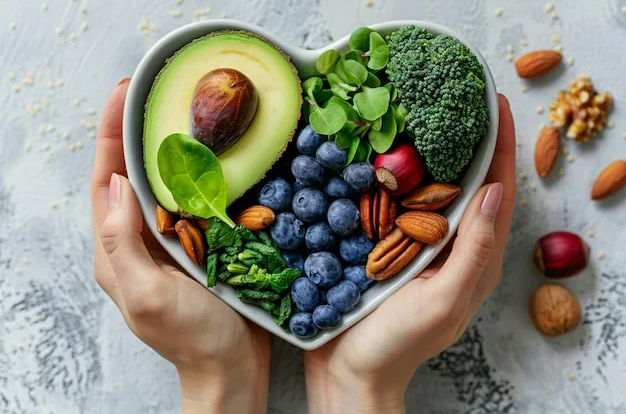

Learn the basics of Ayurvedic nutrition: how to identify your dosha, which foods support vata, pitta, and kapha, and how to build a balanced diet.
Ayurvedic Nutrition: How to Choose Food According to Your Dosha
Ayurvedic nutrition is based on the idea that every person has a unique constitutional type, or prakriti. Vata, pitta, and kapha respond differently to taste, temperature, texture, and cooking style. That is why Ayurveda does not treat food as a universal formula — it recommends eating in a way that supports your own balance of body and mind.
The Main Principle
The goal of Ayurvedic nutrition is not strict restriction, but awareness. Vata usually needs warm, nourishing, and slightly oily meals. Pitta is better supported by cooling, mild, and non-irritating foods. Kapha benefits from lighter, drier, and more stimulating meals.
What Supports Vata
Vata is associated with movement, dryness, and coldness, so it does best with warm and soft food. Good choices include soups, cooked grains, stews, ghee, nuts, root vegetables, and gently seasoned dishes. Very cold, dry, or rough foods may increase imbalance.
What Supports Pitta
Pitta is linked to fire and metabolism, so it is important not to overheat it. Fresh vegetables, sweet fruits, grains, greens, and moderate dairy in tolerated forms are often suitable. Very spicy, fried, or salty foods may aggravate inner heat and irritation.
What Supports Kapha
Kapha is heavy, dense, and stable, so it benefits from lightness and moderation. Vegetables, legumes, warming spices, and food that is not too oily are usually preferred. Excess sweet, heavy, and cold food may increase sluggishness and heaviness.
How to Eat Well
In Ayurveda, how you eat matters as much as what you eat. Food is best eaten calmly, at regular times, and only when real hunger is present. Overeating, distracted eating, and overly complicated combinations are usually discouraged because they burden digestion.
Why It Helps
When food fits your nature, digestion becomes smoother, energy feels more stable, and the mind becomes clearer. That is why Ayurvedic nutrition can be seen as a gentle self-regulation system rather than a rigid diet.
Take the dosha test and learn your constitution:
🌿 Open the app and test
quiet luxury of awareness · food, balance, and body intelligence
Foods for Vata, Pitta, and Kapha
What to eat for Vata
Vata does best with warm, soft, nourishing, and slightly oily foods. Good options include soups, cooked grains, stews, rice, oatmeal, ghee, nuts, seeds, and sweet ripe fruits. It is better to avoid food that is too cold, dry, or rough.
What to eat for Pitta
Pitta is usually supported by cooling, mild, and not overly spicy foods. Fresh vegetables, leafy greens, sweet fruits, grains, cucumber, coconut, mild dairy products, and dishes with moderate spices are often suitable. Fried, very salty, and excessively spicy foods are usually best limited.
What to eat for Kapha
Kapha benefits from light, dry, warm, and mildly spicy foods. Good choices include vegetables, legumes, barley, buckwheat, millet, greens, ginger, pepper, and other warming spices. It is better to reduce sweet, oily, heavy, and cold foods.

How to continue in the “Mera ya” app
In this article, we covered the basics of Ayurvedic nutrition.
In the “Mera ya” app, you can:
-
Take the extended test (43 questions) and get your dosha type with explanations.
-
Take the short test (5 questions) if you want a quick recommendation.
-
Get a daily meal plan tailored to your dosha and calorie needs.
-
View recipes that match your specific type.
-
Receive a neuro-astrologer’s response about your current state, along with gentle guidance for your routine.
Balance
In this section, you’ll see yourself in a new way: through your dosha, habits, and eating pattern. This is not a medical diagnosis, but a guide that helps you gently bring order to your body and routine.
-
Fill in your profile.
-
Take the extended test (43 questions).
-
Take the short test (5 questions).
-
Reset your daily menu.